What Is Respite Care? How Short-Term Care Supports Families and Older Adults

Caring for a loved one can be rewarding, but it can also be physically, emotionally and mentally demanding. Whether you are supporting an ageing parent, a partner living with dementia or a family member recovering from illness, providing ongoing care often leaves little time to focus on your own wellbeing.

This is where respite care can help.

Respite care provides short-term support for the person receiving care while giving family carers an opportunity to rest, attend appointments, take a holiday or simply recharge. It can last for a few hours, several days or several weeks depending on individual circumstances.

Understanding how respite care works can help families make informed decisions and access support before reaching a crisis point.

What Is Respite Care?

Respite care is temporary care arranged to support someone who needs assistance with daily living while their usual caregiver takes a break.

The care may be provided in the person’s own home, at a day care service or through a short stay in a care home. During this time, trained professionals provide the support needed to ensure continuity of care and peace of mind for families.

Respite care can be used on a planned basis or arranged in response to unexpected situations such as illness, hospital appointments, family emergencies or recovery after surgery.

For many families, respite care becomes an important part of maintaining a sustainable long-term caring arrangement.

What Does Respite Mean?

The word “respite” means a short period of rest or relief from something demanding.

In a care setting, respite refers to temporary support that allows a caregiver to step away from their responsibilities while ensuring their loved one continues to receive appropriate care and attention.

Although the break may only be for a short period, it can make a significant difference to a caregiver’s wellbeing and ability to continue providing support.

Who Can Benefit From Respite Care?

Respite care can support a wide range of individuals and families.

It is often used by:

  • Older adults who require assistance with daily activities
  • People living with dementia
  • Individuals recovering after illness or hospital treatment
  • People with physical disabilities
  • Families providing regular unpaid care
  • Carers who need time to rest, travel or manage personal commitments

Many carers wait until they feel overwhelmed before seeking support. However, respite care is often most effective when introduced before caring responsibilities begin to impact physical or emotional health.

How Does Respite Care Work?

There are several ways respite care can be provided depending on individual needs.

Home-Based Respite Care

A professional carer visits the person’s home and provides support while the primary caregiver takes time away.

This option allows the individual to remain in familiar surroundings while receiving assistance with personal care, meals, medication or companionship.

Day Care Services

Some people attend day centres that offer social activities, meals and support during the day.

This provides an opportunity for social interaction while giving carers regular breaks throughout the week.

Residential Respite Care

Residential respite care involves a temporary stay within a care home where trained staff provide support around the clock.

For families looking for short-term support, specialist respite care homes in the UK can provide a safe and comfortable environment while carers take a well-deserved break. Stays can range from a few days to several weeks depending on individual requirements.

What Happens During a Respite Care Stay?

Many families are unsure what to expect when arranging respite care for the first time.

During a respite stay, individuals receive the same level of support as permanent residents. Depending on their needs, this may include:

  • Personal care and hygiene support
  • Medication management
  • Assistance with mobility
  • Nutritious meals and refreshments
  • Social activities and companionship
  • Dementia care support
  • Overnight supervision where required

A respite stay also allows individuals to become familiar with a care home environment, which can be reassuring if longer-term care is considered in the future.

Benefits of Respite Care for Family Caregivers

Providing care for a loved one can be emotionally rewarding, but it can also lead to stress, fatigue and burnout when support is limited.

Regular respite care can help carers:

  • Rest and recharge
  • Focus on their own health and wellbeing
  • Attend appointments and personal commitments
  • Spend time with other family members
  • Reduce stress and anxiety
  • Maintain a healthier work-life-care balance

Taking a break is not a sign that a caregiver is unable to cope. In many cases, it helps carers continue providing support more effectively over the long term.

Respite Care for Older Adults

Older adults may require temporary care support for a variety of reasons.

This may include:

  • Recovery after hospital treatment
  • Additional support following illness
  • Assistance while family members are away
  • Social engagement and companionship
  • Trial stays before considering long-term care

Many families choose a short respite stay before deciding whether a permanent move into a residential care home in the UK may be the right option for their loved one. Experiencing daily life within a care setting can help families make informed decisions about future care needs.

Respite Care for People Living With Dementia

Respite care is often used by families supporting a loved one with dementia, particularly when care needs begin to increase or daily routines become more difficult to manage. Understanding the condition and recognising changes early can make it easier to plan the right level of support. If you’re caring for someone living with dementia, our guide to What Is Dementia Care? explains how specialist support can help maintain comfort, safety and independence, while Early Signs of Dementia explores some of the symptoms families commonly notice before seeking professional advice.

How Long Can Respite Care Last?

The length of respite care varies according to individual needs and circumstances.

Type of SupportTypical Duration
Hourly respite careA few hours
Day care servicesOne day
Weekend respite stay2–3 days
Residential respite careSeveral days to several weeks
Emergency respite careAs required

Some families arrange respite care on a regular basis, while others use it occasionally during holidays, illness or periods of increased caring responsibilities.

When Should You Consider Respite Care?

Families often benefit from respite care before reaching a point of exhaustion or burnout.

You may wish to consider respite care if:

  • Caring responsibilities are becoming difficult to manage alone
  • You need time to recover from illness
  • You are planning a holiday or family event
  • Your loved one has recently left hospital
  • You need support during an emergency situation
  • The person you care for requires increasing levels of assistance

Seeking support early often provides more options and allows families to make decisions without unnecessary pressure.

Choosing the Right Respite Care Service

Finding the right respite care provider is an important decision.

When comparing services, consider:

  • Staff experience and qualifications
  • Availability of specialist dementia care
  • Quality ratings and inspections
  • Activities and social opportunities
  • Accommodation and facilities
  • Communication with families
  • Individualised care planning

Visiting a care home before arranging a respite stay can help families feel more confident about the support being provided.

Is Respite Care the Same as Residential Care?

No.

Respite care is designed as a temporary arrangement, while residential care provides ongoing long-term support.

However, respite care can offer a valuable introduction to life within a care home and help families understand whether a more permanent care solution may be appropriate in the future.

When to Seek Professional Advice

If caring responsibilities are beginning to affect your health, wellbeing or ability to provide support, it may be time to explore additional care options.

Speaking with healthcare professionals or experienced care providers can help families understand what support is available and identify the most suitable care arrangements for their circumstances.

Respite care can provide valuable support for both caregivers and the people they care for, helping families maintain balance while ensuring loved ones continue to receive the care and attention they need.

Vascular Dementia: Symptoms, Causes, Stages and Treatment Explained

Vascular dementia is the second most common type of dementia after Alzheimer’s disease. It develops when reduced blood flow damages parts of the brain responsible for memory, thinking, reasoning and everyday functioning.

Unlike some other forms of dementia, vascular dementia is closely linked to conditions that affect blood vessels, such as stroke, high blood pressure, heart disease and diabetes. Symptoms can vary significantly from person to person depending on which areas of the brain are affected.

Understanding the causes, symptoms and progression of vascular dementia can help individuals and families seek support early and make informed decisions about future care.

What Is Vascular Dementia?

Vascular dementia is a condition caused by reduced blood flow to the brain. When brain cells do not receive enough oxygen and nutrients, they can become damaged or die, leading to problems with memory, thinking, communication and decision-making.

The condition may develop suddenly after a stroke or gradually over time due to damage to small blood vessels within the brain.

Although vascular dementia is a distinct condition, some people have both vascular dementia and Alzheimer’s disease. This is known as mixed dementia and is particularly common in older adults.

If you are unfamiliar with the broader condition, our guide on dementia care explains how dementia affects daily life and the support available for individuals and families.

What Causes Vascular Dementia?

Vascular dementia occurs when blood flow to the brain becomes impaired. Several underlying health conditions can contribute to this damage.

Common causes include:

  • Stroke
  • Multiple mini-strokes (transient ischaemic attacks)
  • Small vessel disease
  • High blood pressure
  • Heart disease
  • Diabetes
  • High cholesterol
  • Smoking-related vascular damage

In many cases, the damage accumulates over time, meaning symptoms may develop gradually rather than appearing suddenly.

Can a Stroke Cause Dementia?

Yes. A stroke can increase the risk of developing vascular dementia.

When a stroke interrupts blood flow to part of the brain, brain cells may be permanently damaged. Some people experience cognitive changes shortly after a stroke, while others develop symptoms months or years later.

The risk depends on factors such as:

  • The severity of the stroke
  • Which part of the brain was affected
  • Existing vascular health conditions
  • The person’s age and overall health

Not everyone who has a stroke develops dementia, but stroke remains one of the leading risk factors for vascular dementia.

Who Is Most at Risk of Developing Vascular Dementia?

Although vascular dementia can affect adults of different ages, the risk increases significantly as people get older.

Factors that may increase the likelihood of developing vascular dementia include:

  • Being over the age of 65
  • Having high blood pressure
  • Diabetes
  • Cardiovascular disease
  • Previous stroke or mini-stroke
  • Smoking
  • Obesity
  • High cholesterol
  • Lack of physical activity

Managing these risk factors may help reduce the chances of developing vascular dementia or slow further progression.

Early Signs and Symptoms of Vascular Dementia

The symptoms of vascular dementia can differ from those associated with Alzheimer’s disease.

While memory problems can occur, many people first notice difficulties with planning, concentration and decision-making.

Common early signs include:

  • Difficulty organising tasks
  • Problems making decisions
  • Slower thinking speed
  • Reduced concentration
  • Confusion during unfamiliar situations
  • Difficulty following instructions
  • Mood changes
  • Depression or apathy
  • Problems with balance or walking

As the condition progresses, memory loss and communication difficulties often become more noticeable.

Families who are unsure whether changes may be dementia-related may find it helpful to read our guide to the early signs of dementia, which explains symptoms that should not be ignored.

How Is Vascular Dementia Diagnosed?

There is no single test that can diagnose vascular dementia.

Healthcare professionals typically use a combination of assessments, including:

  • Medical history review
  • Cognitive assessments
  • Neurological examinations
  • Blood tests
  • Brain imaging scans such as MRI or CT scans

These assessments help identify whether symptoms are being caused by vascular damage and rule out other potential conditions.

An early diagnosis can help individuals access support, treatment and future care planning sooner.

Stages of Vascular Dementia

Vascular dementia does not follow exactly the same pattern for every individual. However, symptoms are often grouped into three broad stages.

Early Stage Vascular Dementia

During the early stage, symptoms may be mild and sometimes mistaken for normal ageing.

Common signs include:

  • Forgetfulness
  • Reduced concentration
  • Slower thinking
  • Difficulty planning tasks
  • Mild confusion

Many people continue to live independently during this stage.

Middle Stage Vascular Dementia

As the condition progresses, daily activities become more challenging.

Symptoms may include:

  • Increased memory problems
  • Difficulty managing finances
  • Changes in behaviour
  • Communication difficulties
  • Reduced mobility
  • Greater need for support

Family members often begin providing more regular assistance at this stage.

Late Stage Vascular Dementia

In the later stages, individuals may require significant support with everyday living.

Symptoms can include:

  • Severe memory impairment
  • Limited communication
  • Mobility difficulties
  • Increased vulnerability to infections
  • Full-time care requirements

At this stage, specialist dementia support is often necessary to ensure safety, comfort and quality of life.

How Quickly Does Vascular Dementia Progress?

Progression varies significantly between individuals.

Unlike Alzheimer’s disease, which often progresses gradually, vascular dementia may worsen in noticeable steps. This can happen when additional strokes or vascular events occur.

Factors affecting progression include:

  • Overall health
  • Age
  • Severity of vascular damage
  • Management of underlying health conditions
  • Access to appropriate support and care

Some people experience relatively slow progression, while others may decline more rapidly.

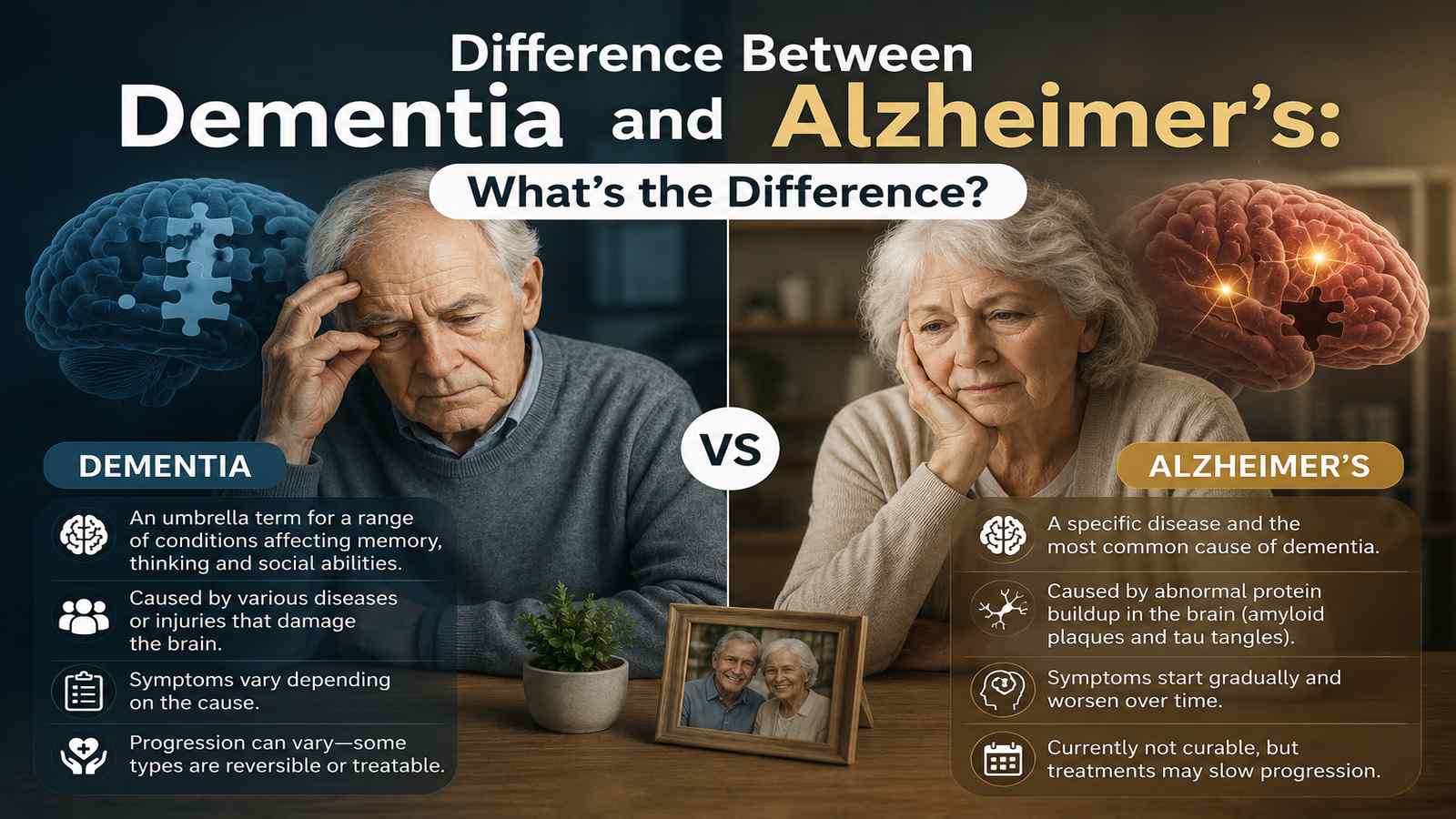
Vascular Dementia vs Alzheimer’s Disease

Many people wonder about the difference between vascular dementia and Alzheimer’s disease.

Although both conditions affect memory and thinking, the underlying causes are different.

Vascular DementiaAlzheimer’s Disease
Caused by reduced blood flow to the brainCaused by abnormal protein build-up in the brain
Often linked to stroke and vascular diseaseUsually develops gradually over time
Early symptoms often involve planning and decision-making difficultiesEarly symptoms often involve memory loss
Progression may occur in stagesProgression is generally gradual

Some individuals develop both conditions simultaneously, known as mixed dementia.

Is Vascular Dementia Hereditary?

Most cases of vascular dementia are not directly inherited.

However, some of the conditions that increase vascular dementia risk, such as high blood pressure, heart disease and diabetes, can run in families.

Rare inherited disorders affecting blood vessels may also increase the likelihood of developing vascular dementia, but these cases are uncommon.

Having a family history does not mean someone will definitely develop vascular dementia, but it may increase overall risk.

Treatment for Vascular Dementia

There is currently no cure for vascular dementia.

Treatment focuses on managing symptoms and reducing further damage to blood vessels.

A care plan may include:

  • Medication for blood pressure management
  • Cholesterol-lowering treatment
  • Diabetes management
  • Support for heart conditions
  • Cognitive stimulation activities
  • Physical exercise
  • Occupational therapy
  • Lifestyle changes such as stopping smoking

Managing underlying health conditions can play an important role in slowing progression.

Living Well With Vascular Dementia

Many people continue to enjoy meaningful and fulfilling lives after a vascular dementia diagnosis.

Practical steps that may help include:

  • Maintaining a daily routine
  • Staying physically active
  • Following medical advice
  • Engaging in social activities
  • Using memory aids and reminders
  • Seeking support from family, carers and healthcare professionals

Early planning can also help families prepare for changing care needs over time.

When Might Someone Need Professional Dementia Care?

As vascular dementia progresses, some individuals require additional support that family members may find difficult to provide alone.

Professional care may become appropriate when someone experiences:

  • Frequent confusion or wandering
  • Medication management difficulties
  • Personal care needs
  • Mobility challenges
  • Safety concerns at home
  • Increased supervision requirements

For families exploring longer-term support options, specialist Dementia Care Homes in UK can provide structured environments designed to meet the changing needs of people living with dementia.

Depending on location and individual circumstances, families may also consider Residential Care Homes UK or short-term Respite Care Homes UK when additional support is needed.

The right care option will depend on the person’s health, independence level and personal preferences.

Conclusion

Vascular dementia is a common form of dementia caused by reduced blood flow to the brain. Symptoms can affect memory, concentration, decision-making and daily functioning, but experiences vary considerably between individuals.

Recognising the early signs, understanding risk factors and seeking medical advice promptly can help individuals access the support and care they need sooner.

Although there is currently no cure, appropriate treatment, lifestyle management and specialist support can help many people maintain their quality of life and independence for as long as possible.

Types of Dementia: Understanding the Different Forms, Symptoms and Causes

Dementia is not a single disease. It is a broad term used to describe a group of symptoms that affect memory, thinking, communication, behaviour and the ability to carry out everyday activities.

Many people assume dementia is simply another name for Alzheimer’s disease, but Alzheimer’s is just one of several different types of dementia. Each type affects the brain differently, can cause different symptoms and may progress at different rates.

Understanding the different forms of dementia can help individuals and families recognise symptoms earlier, seek appropriate medical advice and make informed decisions about future care and support.

What Is Dementia?

Dementia is an umbrella term for a collection of symptoms caused by damage to brain cells. These symptoms can affect:

  • Memory
  • Problem-solving abilities
  • Language and communication
  • Judgement and decision-making
  • Mood and behaviour
  • Spatial awareness

Dementia is not a normal part of ageing. While age is the biggest risk factor, dementia develops because of underlying conditions that affect the brain.

For many families, recognising the symptoms early is the first step towards obtaining a diagnosis and accessing support. If you are concerned about memory loss or behavioural changes, our guide to what dementia care is and how it helps provides useful information about support options available to individuals living with dementia.

How Many Types of Dementia Are There?

People often ask, “How many types of dementia are there?”

There are more than 100 conditions that can cause dementia symptoms. However, most diagnoses fall into four main categories:

Main TypeEstimated Prevalence
Alzheimer’s diseaseMost common
Vascular dementiaSecond most common
Dementia with Lewy bodiesCommon
Frontotemporal dementiaLess common

Alongside these major forms, there are several other dementia types, including mixed dementia, Parkinson’s disease dementia and a number of rarer neurological conditions.

Some sources refer to the “12 types of dementia” when grouping together the most frequently diagnosed forms, but there is no universally accepted list of exactly 12 dementia types.

The 4 Main Types of Dementia

Type of DementiaCommon SymptomsTypical Age Group
Alzheimer’s diseaseMemory loss, confusion, disorientationUsually over 65
Vascular dementiaSlower thinking, concentration difficulties, planning problemsUsually over 65
Dementia with Lewy bodiesHallucinations, movement issues, sleep disturbancesUsually over 65
Frontotemporal dementiaPersonality and behaviour changes, language difficultiesOften 45–65

These four conditions account for the majority of dementia diagnoses in the UK.

Alzheimer’s Disease

Alzheimer’s disease is the most common type of dementia, accounting for around two-thirds of dementia cases.

The condition develops when abnormal proteins build up in the brain, damaging nerve cells and disrupting communication between different areas of the brain.

Early Symptoms of Alzheimer’s Disease

Common early signs include:

  • Forgetting recent conversations
  • Misplacing items frequently
  • Repeating questions
  • Difficulty finding words
  • Becoming confused about dates or locations

As Alzheimer’s progresses, symptoms become more severe and may affect mobility, communication and personal care.

Families often first notice subtle changes that can easily be mistaken for normal ageing. Learning about the early signs of dementia can help people identify potential concerns sooner and seek medical advice if necessary.

Vascular Dementia

Vascular dementia occurs when blood flow to the brain becomes reduced, often because of strokes or damage to blood vessels.

Unlike Alzheimer’s disease, memory loss is not always the first symptom.

Symptoms of Vascular Dementia

People may experience:

  • Slower thinking
  • Difficulty concentrating
  • Problems with planning and organisation
  • Reduced decision-making ability
  • Mood changes

Symptoms can appear suddenly after a stroke or develop gradually over time.

Because vascular dementia is linked to cardiovascular health, managing blood pressure, diabetes and cholesterol can play an important role in reducing risk.

Dementia with Lewy Bodies

Dementia with Lewy bodies, often called Lewy body dementia, is caused by abnormal protein deposits known as Lewy bodies forming within the brain.

It shares characteristics with both Alzheimer’s disease and Parkinson’s disease.

Common Symptoms

People may experience:

  • Visual hallucinations
  • Fluctuating alertness
  • Sleep disturbances
  • Movement difficulties
  • Muscle stiffness
  • Balance problems

Symptoms can vary significantly from day to day, making diagnosis challenging in some cases.

Frontotemporal Dementia (FTD)

Frontotemporal dementia affects the frontal and temporal lobes of the brain.

Unlike Alzheimer’s disease, it often develops at a younger age and commonly affects people between 45 and 65.

Symptoms of Frontotemporal Dementia

Common symptoms include:

  • Personality changes
  • Socially inappropriate behaviour
  • Loss of empathy
  • Language difficulties
  • Reduced motivation
  • Impulsive actions

Frontotemporal dementia is sometimes referred to as frontal lobe dementia, and some forms were previously known as Pick’s disease.

Because symptoms often begin with behavioural changes rather than memory loss, diagnosis can sometimes be delayed.

Young-Onset Dementia

Young-onset dementia, also called early-onset dementia, refers to dementia diagnosed before the age of 65.

Although less common than later-life dementia, it can present unique challenges because individuals may still be working, raising families or managing financial commitments.

Several dementia types can occur as young-onset dementia, including:

  • Alzheimer’s disease
  • Frontotemporal dementia
  • Vascular dementia
  • Dementia with Lewy bodies

Early diagnosis can help families access specialist support and plan for future care needs.

Mixed Dementia

Mixed dementia occurs when a person has more than one dementia-related condition affecting the brain simultaneously.

The most common combination is:

  • Alzheimer’s disease and vascular dementia

Because multiple conditions are involved, symptoms can vary widely between individuals.

Mixed dementia is increasingly recognised as one of the more common dementia diagnoses, particularly in older adults.

Parkinson’s Disease Dementia

Some people living with Parkinson’s disease later develop dementia symptoms.

Parkinson’s disease dementia can affect:

  • Memory
  • Attention
  • Decision-making
  • Visual processing
  • Communication

Movement symptoms such as tremors and stiffness usually appear before cognitive symptoms develop.

While Parkinson’s disease dementia and dementia with Lewy bodies share similarities, they are classified differently based on when symptoms first appear.

Mild Cognitive Impairment (MCI): Is It Dementia?

Mild cognitive impairment (MCI) is not dementia.

People with MCI experience noticeable changes in memory or thinking, but these changes are not severe enough to significantly affect daily life.

Mild Cognitive Impairment vs Dementia

Mild Cognitive ImpairmentDementia
Symptoms are mildSymptoms interfere with daily activities
Greater independence maintainedIncreased support often required
Not everyone progresses to dementiaDementia symptoms generally worsen over time

Some people with MCI eventually develop dementia, while others remain stable for many years.

Rarer Types of Dementia

Although less common, several rare neurological conditions can cause dementia symptoms.

Posterior Cortical Atrophy (PCA)

Affects visual processing and spatial awareness.

Corticobasal Syndrome (CBS)

Can cause movement difficulties alongside cognitive decline.

CADASIL

A rare inherited disorder affecting blood vessels in the brain.

Creutzfeldt-Jakob Disease (CJD)

A rapidly progressive neurological condition.

Progressive Supranuclear Palsy (PSP)

Affects balance, movement and cognition.

Huntington’s Disease

An inherited condition that can lead to dementia symptoms later in life.

These conditions are much less common than Alzheimer’s disease or vascular dementia but may require specialist diagnosis and support.

Which Type of Dementia Is Most Common?

Alzheimer’s disease is the most common type of dementia worldwide and in the UK.

It accounts for the majority of dementia diagnoses and is often what people think of when they hear the word dementia.

The most common dementia types are:

  1. Alzheimer’s disease
  2. Vascular dementia
  3. Dementia with Lewy bodies
  4. Frontotemporal dementia
  5. Mixed dementia

Understanding which type of dementia a person has can help guide treatment, support planning and long-term care decisions.

Do Different Types of Dementia Have Different Symptoms?

Yes. While there is overlap between dementia types, symptoms can vary considerably.

Dementia TypeKey Symptoms
Alzheimer’s diseaseMemory loss, confusion
Vascular dementiaPlanning and concentration difficulties
Lewy body dementiaHallucinations and movement issues
Frontotemporal dementiaPersonality and behavioural changes
Parkinson’s disease dementiaMovement and cognitive difficulties

Because symptoms differ, obtaining an accurate diagnosis is important.

When Should You Seek Medical Advice?

Occasional forgetfulness can be a normal part of ageing. However, persistent changes in memory, thinking, behaviour or communication should not be ignored.

Consider seeking medical advice if someone is:

  • Frequently forgetting important information
  • Becoming confused in familiar places
  • Struggling with everyday tasks
  • Experiencing significant personality changes
  • Having difficulty communicating

Early diagnosis can provide access to treatment, support services and future care planning.

For families exploring long-term support options, specialist Dementia Care Homes in UK services can provide structured care, personalised support and safe environments designed around the needs of people living with dementia.

Supporting Someone Living With Dementia

Every person’s experience of dementia is unique. While symptoms and progression vary, timely support can make a significant difference to quality of life.

Whether someone is living independently, receiving support at home or considering residential care, understanding the type of dementia involved can help families make informed decisions about treatment, care planning and daily support.

As dementia progresses, some individuals may benefit from specialist residential care where trained staff can provide personalised assistance, structured routines and dementia-friendly environments tailored to changing needs.

When Should Someone With Dementia Go Into a Care Home?

Dementia often develops gradually. In the early stages, many people can continue living safely at home with support from family, carers or dementia home care services. Over time, however, daily life can become more difficult and care needs may increase.

For many families, one of the hardest decisions is knowing when someone with dementia should go into a care home. There is rarely one single moment that makes the decision obvious. Instead, there are usually signs that care at home may no longer be the safest or most suitable option.

In this guide, we explain the common signs to look for, when full-time support may be needed, and how dementia care homes can help provide a safer and more supportive environment.

At Landona House Care Group, we support families across England with compassionate residential dementia care and person-centred support tailored to individual needs.

Can Someone With Dementia Stay at Home?

Many people with dementia continue living at home for months or years after diagnosis. With the right support, dementia care at home can work well during the earlier stages.

Support may include:

  • Family assistance
  • Home carers
  • Dementia home care services
  • Live-in dementia care
  • Help with meals, medication and personal care
  • Safety adaptations around the home

Some families also choose Alzheimer’s care at home or live in care for dementia to help their loved one remain in familiar surroundings for as long as possible.

You may also find our guide on Home Care vs Care Home helpful when comparing different care options.

However, dementia progresses differently for every person. There may come a point where care in the home is no longer enough to meet increasing physical, emotional or medical needs.

Signs Someone With Dementia May Need a Care Home

There is no exact rule for when someone should move into residential dementia care. The decision is usually based on safety, wellbeing and quality of life.

Some of the most common signs include:

Increasing Memory Loss and Confusion

Occasional forgetfulness is common in early dementia. However, worsening confusion can create serious safety risks.

Examples include:

  • Forgetting to eat or drink
  • Leaving appliances switched on
  • Wandering outside alone
  • Becoming lost in familiar places
  • Missing medication
  • Difficulty recognising family members

If these situations happen regularly, dementia care homes may provide a safer environment with 24-hour support.

You can also read our article on Early Signs of Dementia for more information on how symptoms may progress over time.

Personal Care Needs Are Increasing

As dementia stages progress, some people struggle with:

  • Washing and bathing
  • Dressing
  • Using the toilet
  • Eating independently
  • Moving safely around the home

When daily personal care becomes difficult, full-time dementia nursing care or residential care dementia support may become necessary.

The Person Is No Longer Safe at Home

One of the biggest reasons families consider a care home for dementia is safety.

This may include:

  • Frequent falls
  • Night-time wandering
  • Leaving doors open
  • Forgetting medication
  • Aggressive or distressed behaviour
  • Increased risk of accidents

At what point do dementia patients need 24 hour care? Usually, it is when supervision is needed throughout the day and night to keep the person safe.

Family Carers Are Struggling

Caring for parent with dementia at home can become physically and emotionally exhausting, especially as needs increase.

Many carers experience:

  • Sleep disruption
  • Stress and anxiety
  • Physical exhaustion
  • Burnout
  • Difficulty balancing work and family life

Seeking professional dementia care is not giving up. In many situations, moving into a dementia care home can improve quality of life for both the person living with dementia and their family.

Care Home or Nursing Home for Dementia?

Families are often unsure whether residential care or nursing care is needed.

Residential dementia care homes usually support people who need help with personal care, daily routines and supervision.

Dementia nursing homes provide additional nursing support for people with more complex medical conditions.

The right option depends on:

  • Stage of dementia
  • Physical health needs
  • Mobility
  • Medication requirements
  • Behavioural symptoms
  • Medical supervision needed

Our guide on What Is Dementia Care? explains the different types of dementia support in more detail.

What Happens When Someone Moves Into a Dementia Care Home?

Moving into a care home can feel emotional for both the individual and their family. However, specialist dementia care homes are designed to provide:

  • Safe and structured routines
  • 24-hour support
  • Medication management
  • Social interaction
  • Personal care assistance
  • Dementia-friendly environments
  • Nutritious meals
  • Emotional wellbeing support

Many residents become more settled once consistent support is in place.

For families wondering “can someone with dementia go into a care home?”, the answer is yes — especially when remaining at home is no longer safe or practical.

How to Know the Right Time

There is no perfect time to move into a care home. The right decision usually comes when:

  • Care needs are increasing quickly
  • Safety becomes a concern
  • Dementia symptoms worsen
  • The person requires full-time supervision
  • Home care dementia support is no longer enough
  • Family carers can no longer cope safely

The decision should involve healthcare professionals, family members and, where possible, the person living with dementia.

Support for Families Considering Dementia Care

Choosing dementia care can feel overwhelming, especially when emotions and practical concerns are involved.

At Landona House Care Group, we provide compassionate dementia care in safe and supportive environments across England. Our experienced teams focus on dignity, comfort and person-centred support tailored to each resident.

If you are considering residential dementia care for a loved one, speaking to an experienced care provider can help you understand the options available and when additional support may be needed.

Early Signs of Dementia: Symptoms, Stages and When to Get Help

Dementia is not a single disease. It is a term used to describe a group of symptoms that affect memory, thinking, communication and the ability to carry out everyday tasks. Around 944,000 people in the UK are currently living with dementia, and that number is projected to rise to 1.6 million by 2040.

For many families, the earliest signs are easy to miss or dismiss as normal ageing. The difference between occasional forgetfulness and the early symptoms of dementia is persistence. When changes to memory, behaviour or communication begin affecting daily life regularly, that is the point to take notice.

This guide covers:

  • The most common early signs of dementia
  • How symptoms differ by gender and age group
  • The difference between Alzheimer’s and other types of dementia
  • What happens in the early stages
  • When to seek medical advice and what to expect

If you have already noticed changes in an older relative and are wondering what kind of support may be needed, our guide on 10 signs your elderly parent needs help covers the practical warning signs families commonly observe before a care decision becomes necessary.

What Are the Early Signs of Dementia

The early signs of dementia vary from person to person, but several symptoms appear commonly across different types of the condition.

The most frequently reported early signs include:

  • memory loss that affects daily life, particularly short-term memory
  • repeating questions or conversations within a short space of time
  • difficulty concentrating or completing tasks that previously felt routine
  • confusion about dates, time or familiar places
  • struggling to follow conversations or find the right words
  • misplacing items and being unable to retrace steps
  • changes in mood, personality or behaviour
  • withdrawal from social activities and hobbies
  • poor judgement or decision-making
  • changes in visual perception, particularly in some less common types of dementia

Many people first notice changes in short-term memory or communication. In others, behavioural or personality changes appear before obvious memory problems develop.

10 Early Dementia Symptoms to Watch For

1. Memory Loss That Affects Daily Life

Forgetting a name once and remembering it later is normal. Forgetting recent conversations, appointments or important information on a regular basis is not. This is one of the most recognised early dementia symptoms and is often the first thing families notice.

2. Confusion With Time and Place

A person may lose track of dates, seasons or the sequence of recent events. They may become confused about where they are, even in familiar environments such as their own neighbourhood or a place they have visited regularly for years.

3. Difficulty Finding Words

Pausing mid-sentence, using the wrong word for common objects, or losing the thread of a conversation entirely are all early signs. This is sometimes described as being on the tip of the tongue frequently.

4. Changes in Mood or Personality

Increased anxiety, irritability, low mood, or sudden personality shifts can appear in the early stages of dementia. Someone who was previously calm and sociable may become withdrawn, suspicious or unusually emotional.

5. Difficulty Completing Familiar Tasks

Activities that previously required no conscious effort, such as following a recipe, managing household bills, or driving a familiar route, may start to feel confusing or take significantly longer.

6. Poor Judgement or Decision-Making

Unusual financial decisions, lapses in personal hygiene, or reduced awareness of risks and safety can all indicate early cognitive change.

7. Misplacing Items Frequently

Putting everyday items in unusual places and being unable to retrace steps to find them is a common early symptom. This is different from occasionally losing something and finding it shortly after.

8. Withdrawal From Social Activities

People may start avoiding conversations, cancel plans, or stop pursuing hobbies they previously enjoyed. This is often linked to confusion or embarrassment rather than a deliberate choice.

9. Problems With Planning or Concentration

Organising tasks, following multi-step instructions, or managing anything that requires sustained attention can become noticeably harder.

10. Changes in Visual Perception

In some types of dementia, particularly Lewy body dementia, visual changes may appear early. These can include difficulty judging distances, problems reading, or trouble recognising familiar objects.

How Does Dementia Start

Dementia develops gradually and the pace varies between individuals. For some people, the early signs of dementia appear over months. For others, changes develop slowly across several years before becoming noticeable.

Early dementia symptoms are frequently mistaken for:

  • normal ageing
  • stress or fatigue
  • depression or anxiety
  • medication side effects
  • thyroid or vitamin deficiencies

This is why a formal assessment matters. Several conditions can mimic dementia symptoms, and some are treatable. A GP can rule out other causes and arrange cognitive assessments where appropriate.

The pattern of early symptoms also depends on the type of dementia. Alzheimer’s disease most commonly starts with short-term memory problems. Vascular dementia may begin with difficulties in reasoning or planning. Frontotemporal dementia often starts with personality or behaviour changes rather than memory loss.

Early Signs of Dementia in Women

The early signs of dementia in women often include memory problems, difficulty concentrating, mood changes, increased anxiety and withdrawal from social activities. Women are statistically more likely to develop Alzheimer’s disease than men, partly because women on average live longer, but research also suggests hormonal and biological factors may play a role.

Symptoms in women can sometimes be harder to identify in the early stages because hormonal fluctuations, menopause, stress and other health conditions can produce similar effects on mood and memory. If symptoms are persistent, affect daily independence or worsen over time, a medical assessment is the appropriate next step regardless of other possible explanations.

Early Signs of Dementia in Men

The early signs of dementia in men frequently include memory loss, changes in behaviour, increased irritability, difficulty with planning or decision-making, communication problems and reduced motivation. Some men show significant behavioural or personality changes before obvious memory difficulties appear.

Men are statistically less likely to seek medical help in the early stages, which can lead to diagnosis at a later point. If family members notice sustained changes in behaviour, mood or daily function, raising these concerns with a GP is worthwhile.

Early Onset Dementia Symptoms

Early onset dementia, sometimes called young onset dementia, refers to a diagnosis made before the age of 65. It is less common but not rare. Around 70,800 people in the UK are living with young onset dementia.

Symptoms of early onset dementia can include:

  • memory difficulties affecting work performance
  • problems with concentration and multitasking
  • changes in personality or social behaviour
  • difficulty organising tasks or managing responsibilities
  • language and communication problems

Because dementia is more commonly associated with older adults, early onset symptoms are sometimes attributed to stress, burnout or mental health conditions, which can delay diagnosis. If symptoms persist and affect daily functioning, a referral to a specialist is appropriate.

Early Signs of Alzheimer’s vs Other Types of Dementia

Many people use the terms Alzheimer’s and dementia as though they mean the same thing. They do not.

Dementia is a broad term describing a group of symptoms. Alzheimer’s disease is the most common cause of dementia, accounting for around 60 to 70 percent of cases in the UK.

The early signs of Alzheimer’s disease typically include:

  • short-term memory loss, particularly forgetting recent conversations or events
  • repeatedly asking the same questions
  • difficulty learning or retaining new information
  • confusion about time or location

Other types of dementia can present differently in the early stages:

  • Vascular dementia often begins with problems in reasoning, planning or concentration rather than memory
  • Lewy body dementia may present with visual hallucinations, changes in alertness and movement difficulties
  • Frontotemporal dementia commonly starts with personality changes, socially inappropriate behaviour or significant language difficulties

Understanding which type of dementia is involved matters because it affects both the progression of symptoms and the type of support that will be most beneficial.

Our guide on what is dementia care explains how specialist dementia support differs from standard elderly care and what families should look for when exploring options.

What Happens in the Early Stages of Dementia

In the early stages of dementia, most people retain a significant degree of independence. Symptoms are present but may be mild enough that the person continues managing most aspects of daily life with minimal support.

Early stage dementia typically involves:

  • increasing forgetfulness, particularly for recent events
  • occasional confusion about time or place
  • mild difficulties with communication or word-finding
  • some change in mood or motivation
  • beginning to struggle with tasks requiring sustained concentration

As dementia progresses beyond the early stage, symptoms become more noticeable and more consistent. The pace of this progression varies considerably between individuals and between different types of dementia.

When to Seek Medical Advice

The right time to seek medical advice is when memory problems, confusion or behavioural changes begin affecting daily life regularly, not just occasionally.

A GP can:

  • carry out an initial cognitive assessment
  • review medications and rule out other treatable causes
  • refer to a memory clinic or specialist for further assessment
  • provide information on support services and next steps

An early diagnosis does not change the underlying condition, but it allows individuals and families to understand what is happening, access appropriate support sooner, and plan ahead for future care needs while the person with dementia can still contribute to those decisions.

If you are noticing changes in an older relative and are unsure whether what you are seeing is significant, our guide on 10 signs your elderly parent needs help may help you decide when to act.

Support and Care Options for Dementia

Once a diagnosis is in place, families often begin exploring what support looks like in practice. The right type of support depends on the stage of dementia, the person’s living situation and the level of care they need.

Some people continue living at home with care visits in the earlier stages. As dementia progresses, many families consider specialist dementia care homes where staff are trained specifically in dementia support and the environment is designed to reduce confusion and promote safety.

At Landona House Care Group, our homes across the UK provide dedicated dementia care, residential and nursing support. Each home offers a structured, familiar environment with 24-hour staff availability and activities designed around resident wellbeing.

If you are exploring care options for a relative with dementia, our guide on home care vs care home sets out the differences between the two approaches and when each tends to be most appropriate.

To find out more about our homes or to arrange a visit, contact the Landona House Care Group team or view our care homes.

FAQs About Early Signs of Dementia

The early signs of dementia include persistent short-term memory loss, confusion about time or place, difficulty finding words, changes in mood or personality, struggling with familiar tasks and withdrawal from social activities. These symptoms differ from occasional forgetfulness in that they are persistent, worsen over time and begin affecting daily independence.

For most people, the first noticeable sign of dementia is short-term memory loss, such as forgetting recent conversations, missing appointments or repeatedly asking the same questions. In some types of dementia, particularly frontotemporal dementia, personality or behaviour changes appear before memory problems develop.

Dementia usually starts gradually with mild symptoms that worsen over time. The starting point depends on the type of dementia. Alzheimer's disease typically begins with short-term memory problems. Vascular dementia often begins with reasoning or planning difficulties. Frontotemporal dementia frequently begins with personality or language changes.

Early symptoms of Alzheimer's disease most commonly include short-term memory loss, repeating questions or conversations, difficulty retaining new information, confusion about dates or location and increasing difficulty with tasks that require concentration.

Yes. Early onset or young onset dementia refers to a diagnosis made before the age of 65. Around 70,800 people in the UK are living with young onset dementia. Symptoms are the same as in older adults but may initially be attributed to stress or other conditions, which can delay diagnosis.

Dementia is a broad term for a group of symptoms affecting memory, thinking and behaviour. Alzheimer's disease is the most common cause of dementia, accounting for around 60 to 70 percent of cases. Other causes include vascular dementia, Lewy body dementia and frontotemporal dementia.

You should seek medical advice when symptoms are persistent, worsen over time or begin affecting daily independence and safety. A GP can carry out an initial assessment, rule out other treatable conditions and refer to a memory clinic for further evaluation if needed.

Home Care vs Care Home: What Is the Difference

Around 418,000 people in the UK currently live in care homes, while over half a million receive some form of home care support. When an older relative begins needing regular help, deciding between these two options is one of the most important choices a family faces.

Both have genuine strengths. The right choice depends on the level of support needed, the individual’s health conditions, and how safely they can manage day-to-day life.

This guide covers:

  • What home care and care homes actually include
  • The main differences between the two
  • Cost comparisons
  • Dementia-specific considerations
  • How nursing homes differ from standard care homes
  • What to look for when making the decision

If you are noticing early warning signs in an older relative, our guide on 10 signs your elderly parent needs help covers what families commonly observe before a care decision becomes urgent.

What Is Home Care

Home care is support provided by a paid carer inside a person’s own home. The individual continues living independently, and carers visit at scheduled times.

What Home Care Includes

Home care services typically cover:

  • washing, dressing, and personal hygiene
  • meal preparation
  • medication prompts and reminders
  • mobility assistance
  • light household tasks
  • companionship visits

The frequency varies widely. Some people receive two or three visits per week. Others with higher needs may receive multiple visits daily, including morning, afternoon, and evening calls.

Home care suits people who are largely independent but need structured support at certain points of the day.

What Is a Care Home

A care home is a residential facility where older adults live full time and receive ongoing care from staff who are available around the clock.

What Care Homes Provide

Residential care homes typically include:

  • a private or shared room with meals provided
  • personal care support throughout the day
  • planned activities and social interaction
  • 24-hour staff availability
  • support with mobility and daily routines

Families usually begin researching care homes UK when a relative’s support needs go beyond what home visits can safely cover.

For a full breakdown of how residential settings work, our guide on what is residential care explains the structure and types of care available.

Difference Between Care Home and Home Care

The core difference between care home and home care is location and intensity of support.

Home care brings support into the person’s existing home. Care homes require the person to move into a staffed residential setting.

Home Care: Staying in Familiar Surroundings

Home care works well when someone:

  • manages most daily tasks independently
  • has a safe and suitable home environment
  • benefits from familiar surroundings and existing routines
  • has family or community support nearby

This option is generally more appropriate in the earlier stages of ageing or during recovery from illness.

Care Homes: Full-Time Support in a Residential Setting

A care home becomes more appropriate when someone:

  • needs supervision throughout the day
  • has experienced repeated falls at home
  • struggles to manage medication safely
  • shows signs of advancing cognitive decline
  • is becoming socially isolated

Residential care provides structured routines, immediate access to staff, and a safer physical environment for people with higher support needs.

Home Care vs Care Home for Dementia

Dementia changes support requirements over time, and the right setting often shifts as the condition progresses.

Early Dementia: Home Care Can Work Well

In the earlier stages, many people with dementia continue living at home with support. Home care can help with:

  • medication reminders
  • structured daily routines
  • safe meal preparation
  • companionship and orientation

With the right support structure in place, some individuals remain at home safely for several years after a diagnosis.

When Dementia Care Homes Become Necessary

As dementia progresses, challenges at home often increase significantly. Families may begin considering dementia care homes UK when someone:

  • wanders or becomes seriously disoriented
  • is regularly missing medication
  • can no longer manage personal safety tasks
  • becomes frequently distressed or confused, particularly at night

Specialist dementia care homes are designed around these challenges. They provide secured environments, structured cognitive support, and trained staff experienced in managing dementia-related behaviour.

For a detailed explanation of what specialist dementia support involves, our guide on what is dementia care covers the differences between standard elderly care and dedicated dementia provision.

Care Home or Home Care: Which Is Better

Neither option is universally better. The right choice depends entirely on the individual’s circumstances.

Home Care May Be the Better Option When:

  • the person strongly wants to remain at home
  • support needs are moderate and manageable with scheduled visits
  • the home environment is physically safe
  • family members are available to provide additional informal support

A Care Home May Be the Better Option When:

  • the person needs frequent or unpredictable supervision
  • falls, mobility problems, or cognitive decline make home safety a concern
  • social isolation has become a serious issue
  • care needs include dementia support or complex health management
  • family carers are experiencing significant stress or burnout

For many families, moving to a care home also reduces the pressure on relatives who have been providing unpaid support, sometimes over several years.

Cost Difference Between Home Care and Care Homes

Home Care Costs in the UK (2026)

Home care in the UK typically costs between £18 and £30 per hour, depending on location and the care provider. Live-in home care, where a carer lives in the home full time, generally costs between £900 and £1,500 per week.

For people requiring multiple visits daily, the cumulative cost of home care can exceed that of a care home placement.

Care Home Costs in the UK (2026)

The average weekly cost of a residential care home in the UK is approximately £1,100 to £1,200. Nursing home fees are typically higher, averaging between £1,200 and £1,400 per week, reflecting the additional medical staffing involved.

Local authorities may contribute to care home costs through means-tested funding for those who qualify. NHS Continuing Healthcare (CHC) funding is available in some cases where care needs are primarily health-related.

For a full breakdown of funding options, our guide on how to pay for a care home in the UK covers local authority support, NHS contributions, and self-funding arrangements in detail.

Difference Between Care Homes and Nursing Homes

Many families are unclear on what separates a standard residential care home from a nursing home.

Residential Care Homes

Residential care homes provide:

  • personal care and daily living support
  • accommodation and meals
  • companionship and planned activities
  • 24-hour staffing from care workers

They do not have qualified nurses on-site and are not equipped to manage complex or ongoing medical conditions.

Nursing Homes

Nursing homes provide everything a residential care home offers, plus:

  • qualified nurses available at all times
  • clinical medication management
  • wound care and post-surgical support
  • monitoring and management of complex health conditions such as Parkinson’s disease, stroke rehabilitation, or advanced respiratory conditions

Families in specific regions often search for services such as nursing homes in Widnes when a relative requires this level of clinical support alongside residential care.

How to Choose Between Home Care and a Care Home

When assessing the right option, consider the following areas:

Physical health: How frequently does the person need medical or nursing-level support?

Cognitive health: Is dementia or another condition affecting safety, memory, or daily function?

Mobility: Has the person had falls, or are they at risk?

Social wellbeing: Is the person isolated, or do they have regular contact with others?

Home environment: Is the property physically suited to safe independent living?

Family support: How much additional support can family members realistically provide?

Many families start with home care and move to a residential setting as needs increase. A formal needs assessment carried out by a local authority social worker can also help clarify what level of support is required and what funding may be available.

For families in the North East, care homes in Middlesbrough provide a range of residential, dementia, and nursing options depending on individual care requirements.

FAQs About Home Care vs Care Homes

Home care provides support within a person's own home through scheduled carer visits. Care homes are residential settings where individuals live full time with 24-hour staff availability.

It depends on the level of support needed. For people requiring only a few hours of help per week, home care is typically less expensive. For those needing multiple daily visits or live-in support, the cost can be comparable to or greater than a care home placement.

A move is often considered when safety at home becomes a concern, when dementia progresses significantly, when falls or mobility issues increase, or when the frequency of support needed exceeds what scheduled home visits can cover.

Care homes provide personal and residential support without on-site nursing. Nursing homes also have qualified nurses available around the clock to manage clinical and medical needs.

The NHS does not routinely fund care home placements. However, NHS Continuing Healthcare (CHC) is available for individuals whose primary need is health-related, and this covers the full cost of care. Local authority funding is separately available for those who meet eligibility criteria through a means test.

What Is Dementia Care? How Dementia Care Is Different From Standard Elderly Care

Dementia care is specialist support designed for people living with dementia, including conditions such as Alzheimer’s disease, vascular dementia, and Lewy body dementia.

Unlike standard elderly care, dementia care focuses not only on physical support but also on memory, behaviour, communication, safety, and emotional wellbeing.

As dementia progresses, many people need increasing levels of supervision and structured support to remain safe and maintain quality of life.

Families often begin researching dementia care after noticing:

  • memory problems
  • confusion
  • wandering
  • behavioural changes
  • difficulty managing daily routines

If you are noticing these changes in a loved one, our guide on 10 signs your elderly parent needs help explains the early warning signs families commonly experience.

What Does Dementia Care Include

The level of dementia support depends on the stage of the condition and the person’s individual needs.

Personal care support

Dementia care often includes help with:

  • washing and dressing
  • eating and nutrition
  • medication support
  • mobility assistance
  • daily routines

As memory problems progress, many people find ordinary daily tasks increasingly difficult to manage independently.

Memory and cognitive support

One of the biggest differences between standard elderly care and dementia care is cognitive support.

Dementia carers are trained to help with:

  • memory confusion
  • repetitive behaviour
  • disorientation
  • communication difficulties
  • anxiety and distress

Support is usually structured around familiar routines to reduce confusion and improve reassurance.

Safety and supervision

People living with dementia may become vulnerable to:

  • falls
  • wandering
  • medication mistakes
  • leaving appliances on
  • confusion outside the home

Dementia care environments are designed to improve safety while helping residents maintain independence where possible.

According to the NHS, people living with dementia may need increasing support with daily living and personal safety as symptoms progress. (nhs.uk)

How Dementia Care Is Different From Standard Residential Care

Many families are unsure about the difference between residential care and dementia care.

Residential care focuses mainly on daily living support

Standard residential care usually supports:

  • older adults needing help with daily tasks
  • mobility support
  • meals and personal care
  • social interaction and companionship

If you are unfamiliar with residential care itself, our guide on what is residential care explains how residential support works in the UK.

Dementia care provides specialist cognitive support

Dementia care includes everything residential care offers, but with additional specialist support for memory-related conditions.

This may include:

  • dementia-trained staff
  • secure environments
  • structured routines
  • behavioural support
  • enhanced supervision

Families exploring dementia care homes UK are often looking for environments specifically designed to support cognitive decline safely and compassionately.

What Are Dementia Care Homes

Dementia care homes are specialist care settings designed for people living with dementia.

What dementia care homes provide

Specialist dementia care homes may offer:

  • 24 hour support
  • memory-focused care plans
  • secure layouts
  • dementia-friendly activities
  • specialist behavioural support

The goal is to create a safe, calm, and familiar environment that reduces stress and confusion.

When someone may need dementia care

A person may need specialist dementia support if they:

  • frequently become confused
  • wander or become disoriented
  • struggle with personal safety
  • forget medication regularly
  • show significant behavioural changes

As symptoms progress, living safely at home can become increasingly difficult.

Dementia Care Services in the UK

Dementia support can be provided in different ways depending on individual needs.

Home dementia care services

Some people receive dementia support at home through carers visiting regularly.

This may help during earlier stages of dementia when independent living is still possible with assistance.

Residential dementia care

Residential dementia care provides full time support within a care home environment.

Families may explore specialist support such as:

Choosing the right dementia care environment often depends on:

  • stage of dementia
  • medical needs
  • supervision required
  • family location
  • social support needs

Why Dementia Care Requires Specialist Training

Supporting someone with dementia is very different from standard elderly care.

Communication challenges

People living with dementia may:

  • struggle to process information
  • become distressed easily
  • forget recent conversations
  • have difficulty recognising people or places

Specialist dementia training helps carers respond calmly and appropriately.

Behavioural and emotional support

Dementia can affect:

  • mood
  • behaviour
  • sleep patterns
  • confidence
  • emotional wellbeing

Person-centred dementia care focuses on reducing distress while maintaining dignity and independence wherever possible.

According to Dementia UK, person-centred care helps support emotional wellbeing and individual identity throughout dementia progression. (dementiauk.org)

How Much Does Dementia Care Cost

The cost of dementia care depends on:

  • care needs
  • nursing requirements
  • location
  • level of supervision needed

Specialist dementia support is often more expensive than standard residential care because it requires:

  • enhanced staffing
  • specialist training
  • additional supervision
  • secure environments

Our guide on how to pay for a care home in the UK explains dementia care costs, NHS funding, and financial support options in more detail.

Choosing the Right Dementia Care Home

When comparing dementia care services, families should look beyond cost alone.

Important factors include:

  • dementia staff training
  • safety measures
  • resident wellbeing
  • personalised care plans
  • activities and social support
  • family communication

For families in the North East, services such as dementia care homes in Middlesbrough may provide different levels of dementia and nursing support depending on care needs.

FAQs About Dementia Care

Dementia care is specialist support designed for people living with dementia, focusing on memory, behaviour, safety, and daily living support.

Dementia care includes specialist cognitive and behavioural support, while standard residential care mainly focuses on physical and daily living assistance.

Dementia care homes provide supervised support, dementia-trained staff, secure environments, and personalised care for people living with dementia.

Dementia care may become necessary when confusion, wandering, safety risks, or daily living difficulties make independent living unsafe.

How to Pay for a Care Home in the UK

Paying for long term care is one of the biggest concerns families face when considering support for an older relative.

Many people are unsure:

  • how much care homes cost
  • what financial help is available
  • whether the NHS contributes towards care fees
  • if savings or property affect funding

Understanding how care home funding works can help families plan earlier and avoid rushed decisions during a crisis.

If you are still deciding whether care support is needed, our guide on 10 signs your elderly parent needs help explains the early warning signs families often notice before exploring care options.

How Much Does a Care Home Cost in the UK

The average care home cost UK depends on:

  • location
  • type of care required
  • nursing support
  • dementia care needs
  • room and facilities

According to current UK care sector estimates in 2026:

  • residential care typically costs between £900 and £1,600 per week
  • nursing care usually costs more due to medical support
  • specialist dementia care can increase fees further

This means annual care home costs can exceed £50,000 depending on the level of support required.

What Is Included in Care Home Fees

Understanding what care home fees cover helps families compare services more accurately.

Residential care home charges

Residential care usually includes:

  • accommodation
  • meals and nutrition
  • personal care support
  • housekeeping and laundry
  • daily activities and companionship

Families exploring residential care homes UK often compare support levels, staffing, and long term suitability rather than price alone.

If you are unsure what residential care involves, our guide on what is residential care explains how residential, nursing, and dementia care differ.

Nursing home fees UK

Nursing care fees are generally higher because they include medical supervision from qualified nursing staff.

This may include:

  • medication management
  • complex health monitoring
  • wound care
  • ongoing clinical support

Families researching how much does a nursing home cost UK should understand that nursing care is designed for people with more advanced medical needs.

What Financial Support Is Available for Care Home Fees

Not everyone pays the full cost of care themselves.

The amount someone contributes usually depends on:

  • income
  • savings and assets
  • health needs
  • local authority assessments
  • NHS eligibility

Local Authority Funding for Care Home Costs

In England, local councils carry out a financial assessment known as a means test.

Savings threshold for care home fees

The amount someone pays towards care depends partly on their savings and assets.

According to current GOV.UK guidance for 2026:

  • people above the upper capital threshold are usually expected to contribute more towards their care costs
  • lower savings levels may increase eligibility for local authority support

Rules can vary depending on circumstances and where someone lives within the UK.

According to current GOV.UK social care charging guidance, local authorities assess both financial circumstances and care needs before determining support levels. (gov.uk)

NHS Continuing Healthcare and Funded Nursing Care

Some people may qualify for NHS funding support.

What is NHS Continuing Healthcare

NHS Continuing Healthcare (CHC) is fully funded care provided by the NHS for people with significant ongoing health needs.

Eligibility is based on medical needs rather than income or savings.

People receiving CHC may have care home fees fully covered by the NHS.

What is Funded Nursing Care

Funded Nursing Care (FNC) is a separate NHS contribution paid towards nursing care costs for eligible residents in nursing homes.

This applies when someone:

  • requires nursing support
  • does not qualify for full NHS Continuing Healthcare funding

The NHS updates Funded Nursing Care contribution rates annually.

According to NHS England guidance, eligibility for Continuing Healthcare and Funded Nursing Care is based on assessed health needs rather than financial circumstances. (nhs.uk)

Dementia Care Home Costs in the UK

The cost of care homes for dementia patients is often higher because specialist support and supervision are required.

Why dementia care costs more

Dementia care may involve:

  • specialist trained staff
  • enhanced supervision
  • secure environments
  • behavioural support
  • cognitive support programmes

Families researching dementia care homes UK should compare:

  • dementia experience
  • staff training
  • safety measures
  • care quality ratings
  • personalised support approaches

Is There a Cap on Care Home Fees in the UK

Many families expect there to be a fixed limit on the amount they may need to pay towards long term care.

In England, proposals for a lifetime cap on personal care costs were previously planned as part of wider social care reforms. However, the proposed £86,000 care cap has not been introduced and the reforms were later withdrawn by the government.

As of 2026:

  • there is no universal cap on total care home fees in England
  • care costs still depend on savings, assets, income, and care needs
  • accommodation and living costs are usually paid separately from personal care support

According to current GOV.UK guidance, people with assets above the upper capital threshold are generally expected to contribute towards the full cost of their care. (gov.uk)

Does Property Affect Care Home Funding

Property ownership can affect financial assessments for long term care.

In some situations:

  • a property may be included in the financial assessment
  • deferred payment agreements may be available
  • councils may allow care fees to be recovered later from property value

Rules vary depending on:

  • whether a partner still lives in the property
  • the type of care required
  • the funding arrangement

Professional financial advice is recommended before making decisions involving property or savings.

Choosing the Right Care Home for Long Term Support

Cost is important, but choosing the right care environment matters just as much.

Families comparing care homes often consider:

  • level of support available
  • dementia care experience
  • nursing availability
  • staff consistency
  • safety and cleanliness
  • family visiting access

For families in the North East, services such as care homes in Middlesbrough may offer different levels of residential, nursing, and dementia support depending on care needs.

FAQs About Paying for Care Home Fees in the UK

Residential care in the UK commonly costs between £900 and £1,600 per week in 2026, depending on location and care needs.

The NHS may fully or partially fund care through NHS Continuing Healthcare or Funded Nursing Care if eligibility criteria are met.

There is currently no universal cap on total care home fees in England.

Dementia care is usually means tested unless the person qualifies for NHS Continuing Healthcare funding.

Local authorities may contribute towards care costs depending on financial assessments and care needs.

10 Signs Your Elderly Parent Needs Help or Care Support

Noticing changes in an ageing parent can be difficult, especially when those changes happen gradually.

Many families only realise support is needed after a fall, missed medication, or hospital visit. In most cases, the warning signs appear much earlier.

Understanding the signs your elderly parent needs help allows you to take action before daily life becomes unsafe or overwhelming.

Signs Your Elderly Parent Needs Help With Daily Living

Difficulty managing everyday tasks is often the first sign that extra support is needed.

Struggling with cooking and household tasks

A parent who once managed everything independently may begin:

  • Leaving dishes unwashed
  • Forgetting meals
  • Wearing unclean clothes
  • Ignoring household cleaning

These changes often suggest daily living is becoming harder to manage safely.

Also Read: What Is Residential Care?

Poor personal hygiene and self neglect

One of the clearest signs an elderly parent needs care support is a decline in personal hygiene.

Common signs include:

  • Body odour
  • Unwashed hair or clothes
  • Difficulty bathing
  • Neglected grooming

Missed medication and forgotten appointments

Medication mistakes are common when memory or routine starts to decline.

Signs include:

  • Unused tablets piling up
  • Taking the wrong dose
  • Missing GP or hospital appointments

At this stage, some families begin considering structured support through residential care homes UK or part-time care options.

Signs Your Elderly Parent Needs Dementia Care Support

Memory-related symptoms are one of the biggest reasons families begin exploring long term care.

Memory loss and repeated confusion

Occasional forgetfulness is normal. Repeated confusion is not.

Warning signs include:

  • Repeating the same questions
  • Forgetting familiar names
  • Getting lost in familiar places
  • Confusion about time or routine

These symptoms often lead families to explore dementia care homes UK that provide specialist memory support.

Behaviour and mood changes

Changes in mood can sometimes appear before a formal dementia diagnosis.

Common changes include:

  • Anxiety or agitation
  • Irritability
  • Withdrawal from family
  • Sudden personality changes

Signs Your Elderly Parent Needs Residential Care

As care needs increase, independent living may no longer be safe.

Increased falls and mobility problems

Falls are one of the most common reasons older adults lose independence.

Warning signs include:

  • Difficulty standing up
  • Holding furniture while walking
  • Poor balance
  • Unexplained bruises

When mobility problems increase, families often begin researching care homes UK that can provide safer daily support.

Isolation and withdrawal from social life

Older adults who stop seeing friends, attending activities, or leaving the house may be struggling physically or emotionally.

Loneliness can affect:

  • Mental wellbeing
  • Confidence
  • Physical health
  • Cognitive decline

Supportive environments in care homes in Widnes or care homes in Middlesbrough can help older adults regain social interaction and routine.

Poor nutrition and dehydration

Changes in eating and drinking habits are often overlooked.

Signs include:

  • Empty fridge or expired food
  • Sudden weight loss
  • Lack of appetite
  • Signs of dehydration or tiredness

According to the NHS, dehydration is more common in older adults and can increase confusion, weakness, and risk of falls.

Also Read: How to Pay for a Care Home in the UK

Signs Your Parent May Need More Than Home Support

You may need to consider residential care if:

  • Safety at home is becoming a concern
  • Daily support is needed throughout the day
  • Dementia symptoms are progressing
  • Family caregivers are overwhelmed

Many families begin by comparing local options such as:

Choosing nearby care allows regular visits and stronger family involvement.

Residential Care vs Nursing Care: What Is the Difference

Understanding the difference helps families choose the right support.

Residential care

  • Daily support and supervision
  • Help with washing, dressing, and meals
  • Suitable for mild to moderate care needs

Nursing care

  • Includes medical supervision
  • Suitable for complex health conditions
  • Managed by qualified nursing staff

Families needing medical support may explore services such as residential care homes UK.

FAQs About Signs an Elderly Parent Needs Help

Early signs include memory problems, poor hygiene, missed medication, falls, and difficulty managing daily tasks.

Frequent falls, confusion, self neglect, and medication mistakes are strong signs independent living may no longer be safe.

Residential care should be considered when support is needed throughout the day and safety becomes difficult to manage at home.

Residential care supports daily living, while dementia care includes specialist support for memory-related conditions and behavioural changes.

What Is Residential Care? Meaning, Services and When to Consider It in the UK

If you are trying to understand what residential care involves, you are probably in the middle of a decision that matters a great deal. Whether it is for a parent, a partner, or another family member, getting clear on what residential care actually means helps you move forward without second-guessing every step.

This guide covers what residential care is, what a care home provides day to day, how it compares to nursing care and home care, and what to look for when choosing.

What Is Residential Care?

Residential care is a type of long-term support where a person moves into a registered care home and receives help with daily living on a full-time basis. Staff are on site around the clock to assist with personal care, meals, medication and social activities.

It is not a hospital. It is also not the same as home care, where a carer visits for a few hours each day. In a residential care home, the person lives there permanently and support is available at any hour, not just during scheduled visits.

In England, every residential care home must be registered with the Care Quality Commission (CQC), which carries out regular inspections and publishes ratings across five areas: safety, effectiveness, caring, responsiveness and leadership. In Wales the equivalent regulator is Care Inspectorate Wales. In Scotland it is the Care Inspectorate.

Also Read: What Is Dementia Care?

What Does a Residential Care Home Provide?

A well-run residential care home covers the practical and the personal. Day-to-day support typically includes the following.

Personal Care

Staff help with washing, dressing, grooming and moving around safely. This is provided in a way that respects each resident’s privacy and dignity at all times.

Meals and Nutrition

Three meals a day plus snacks, prepared on site. Most homes accommodate dietary requirements, allergies and personal food preferences.

Medication Support

Trained staff manage, prompt or administer medication in line with each resident’s care plan and GP instructions.

Social Activities

Group activities, outings, themed events and one-to-one time help residents stay engaged and reduce isolation. The specific programme varies between homes.

24-Hour Staffing

Care does not stop at 5pm. Staff are available through the night, which is particularly important for residents who experience confusion, disturbed sleep or mobility difficulties after dark.

Respite Care

Some residential homes also offer short-term stays. This can cover a recovery period after a hospital discharge or give a family carer a planned break. Stays can range from a few days to several weeks.

When Should You Consider Residential Care?

There is no single point at which residential care becomes the right answer. Families often start thinking about it when one or more of the following apply:

  • Daily tasks such as washing, dressing and preparing meals are becoming difficult or unsafe to manage alone
  • There have been falls, or the risk of falls at home is increasing
  • Dementia is progressing and the person needs supervision during the night as well as the day
  • A family carer’s own health, work or personal circumstances mean consistent care at home is no longer sustainable
  • The person is becoming isolated and the lack of social contact is visibly affecting their mood or health

Read this Also: Signs Your Elderly Parent Needs Help

A care needs assessment from the local council’s adult social care team is the correct formal starting point. This is a free assessment that determines what level of support is needed and whether the council will contribute to funding. A GP or hospital discharge team can make a referral, or you can contact your local council directly to request one.

How Much Does Residential Care Cost in the UK?

According to LaingBuisson’s 2024 Care of Older People UK Market Report, the average weekly cost of residential care in the UK sits at around £1,100. Costs vary by region. London and the South East tend to be higher. The North of England generally sits lower than the national average.

Funding is means-tested. In England, if a person’s assets including savings and property exceed £23,250, they are expected to fund their own care. Below that threshold the local council contributes based on an agreed personal budget. Thresholds differ in Wales, Scotland and Northern Ireland.

Some people qualify for NHS Continuing Healthcare funding if their primary need is health-related rather than social. An independent financial adviser who specialises in care funding can help clarify what applies before you commit to a placement.

Residential Care vs Nursing Care

The practical difference comes down to clinical input.

Residential Care

Provides personal support for daily living. Staff are trained carers. There is no requirement for a registered nurse to be on site.

Nursing Care

Provides the same personal support but also has registered nurses on site who manage wounds, complex medication regimes, catheter care and clinical monitoring. Nursing homes are the appropriate setting when a person’s health condition is complex, unstable or requires regular clinical oversight.

A care needs assessment will identify which setting is suitable. Some homes hold dual registration, meaning they provide both residential and nursing care under one roof. This allows a resident to remain in the same home if their needs change over time.

Check this Also: How to Pay for a Care Home in the UK

Residential Care vs Home Care

Home care, also called domiciliary care, involves a carer visiting the person at their own home at agreed times. It works well when someone needs help at specific points in the day but can otherwise manage safely between visits.

Residential care tends to be more appropriate when:

  • Support is needed during the night as well as the day
  • The home environment has safety risks that cannot reasonably be adapted
  • Multiple daily visits are already in place and are still not fully meeting the person’s needs
  • The level of social contact available at home is not sufficient for the person’s wellbeing

Many families start with home care and move into residential care as needs increase. There is no fixed rule about when that transition should happen. A care needs reassessment can help identify when home care is no longer meeting the required level of support.

What to Look for When Choosing a Residential Care Home

CQC inspection reports are publicly available at cqc.org.uk. A rating of Good or Outstanding across all five inspection areas is a reasonable starting point when comparing homes.

Beyond the rating, it is worth considering:

  • Whether the home has specific experience with the condition involved, particularly if dementia or a neurological condition is a factor
  • How the home handles changes in care needs and whether a resident can stay if their requirements increase
  • How the home communicates with families, including outside standard office hours
  • What the contract covers in terms of fee increases and what triggers a review of those fees
  • What daily life actually looks like in terms of activities, mealtimes and staff continuity

Visiting in person, ideally at different times of day, gives a more accurate picture than any brochure or website.

Care Homes Across the UK – Landona House Care Group

Landona House Care Group has been providing residential, dementia and nursing care since 2004. Our homes are registered with the CQC and located across the North West, North East and other parts of England.

If you are looking for a care home in a specific area, we have homes in the following locations:

  • Widnes, CheshireFerndale Mews provides residential, dementia and nursing care in a purpose-built home on St Michaels Road.
  • DurhamAbbotts Court provides residential and dementia care in County Durham.
  • WarringtonFlorence Mill offers residential, dementia and respite care in Warrington.
  • MiddlesbroughTollesby Hall provides residential, dementia and nursing care in Middlesbrough.
  • JarrowStapleton House offers residential, nursing and dementia care in South Tyneside.
  • GuisboroughMoorlands Nursing Home provides nursing and dementia care in Guisborough.
  • RuncornBeechcroft offers residential, dementia and respite care in Runcorn.
  • Bishop AucklandBishopsgate Lodge provides residential and dementia care in Bishop Auckland.
  • ClevelandHawthornes offers residential, dementia and respite care in Cleveland.

You do not need an appointment to visit any of our homes. Drop in, look around and speak with the team. View all our homes or get in touch if you would like to talk something through first.

FAQs About Residential Care

Residential care in the UK means living full time in a registered care home where staff provide support with daily activities, personal hygiene, meals, medication and social wellbeing. All homes in England are registered with and inspected by the Care Quality Commission.

A residential care home is a registered facility where adults who can no longer live independently receive round-the-clock personal support. Staff help with washing, dressing, meals and daily routines. Clinical nursing treatment is handled separately under nursing care.

Residential care covers personal support for daily living. Nursing care includes on-site registered nurses who manage complex medical conditions, wound care and clinical monitoring. A care needs assessment will identify which is appropriate for your situation.

According to LaingBuisson's 2024 Care of Older People UK Market Report, the average weekly cost is around £1,100. This varies by region and level of support required. Local councils fund eligible residents following a care needs assessment and means test.

Residential care suits adults who need regular support with daily living but do not require full-time clinical nursing. It is commonly chosen when someone can no longer manage safely at home, when dementia is progressing, or when family carers can no longer provide the level of support needed.

Respite care is a short-term stay in a residential care home, typically arranged while a family carer takes a break or while someone recovers after leaving hospital. Stays can range from a few days to several weeks depending on the situation.