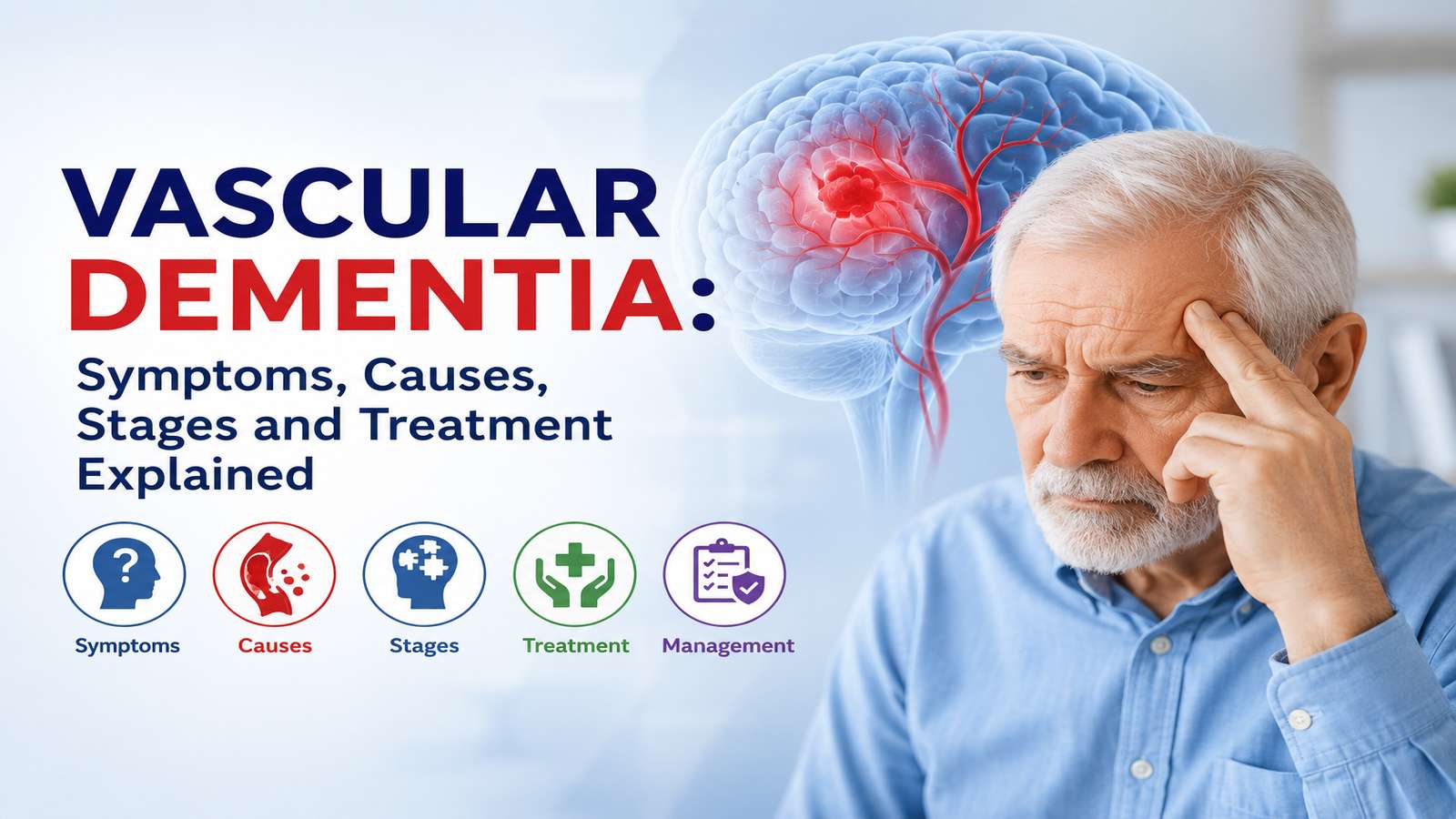
Vascular dementia is the second most common type of dementia after Alzheimer’s disease. It develops when reduced blood flow damages parts of the brain responsible for memory, thinking, reasoning and everyday functioning.
Unlike some other forms of dementia, vascular dementia is closely linked to conditions that affect blood vessels, such as stroke, high blood pressure, heart disease and diabetes. Symptoms can vary significantly from person to person depending on which areas of the brain are affected.
Understanding the causes, symptoms and progression of vascular dementia can help individuals and families seek support early and make informed decisions about future care.
What Is Vascular Dementia?
Vascular dementia is a condition caused by reduced blood flow to the brain. When brain cells do not receive enough oxygen and nutrients, they can become damaged or die, leading to problems with memory, thinking, communication and decision-making.
The condition may develop suddenly after a stroke or gradually over time due to damage to small blood vessels within the brain.
Although vascular dementia is a distinct condition, some people have both vascular dementia and Alzheimer’s disease. This is known as mixed dementia and is particularly common in older adults.
If you are unfamiliar with the broader condition, our guide on dementia care explains how dementia affects daily life and the support available for individuals and families.
What Causes Vascular Dementia?
Vascular dementia occurs when blood flow to the brain becomes impaired. Several underlying health conditions can contribute to this damage.
Common causes include:
- Stroke
- Multiple mini-strokes (transient ischaemic attacks)
- Small vessel disease
- High blood pressure
- Heart disease
- Diabetes
- High cholesterol
- Smoking-related vascular damage
In many cases, the damage accumulates over time, meaning symptoms may develop gradually rather than appearing suddenly.
Can a Stroke Cause Dementia?
Yes. A stroke can increase the risk of developing vascular dementia.
When a stroke interrupts blood flow to part of the brain, brain cells may be permanently damaged. Some people experience cognitive changes shortly after a stroke, while others develop symptoms months or years later.
The risk depends on factors such as:
- The severity of the stroke
- Which part of the brain was affected
- Existing vascular health conditions
- The person’s age and overall health
Not everyone who has a stroke develops dementia, but stroke remains one of the leading risk factors for vascular dementia.
Who Is Most at Risk of Developing Vascular Dementia?
Although vascular dementia can affect adults of different ages, the risk increases significantly as people get older.
Factors that may increase the likelihood of developing vascular dementia include:
- Being over the age of 65
- Having high blood pressure
- Diabetes
- Cardiovascular disease
- Previous stroke or mini-stroke
- Smoking
- Obesity
- High cholesterol
- Lack of physical activity
Managing these risk factors may help reduce the chances of developing vascular dementia or slow further progression.
Early Signs and Symptoms of Vascular Dementia
The symptoms of vascular dementia can differ from those associated with Alzheimer’s disease.
While memory problems can occur, many people first notice difficulties with planning, concentration and decision-making.
Common early signs include:
- Difficulty organising tasks
- Problems making decisions
- Slower thinking speed
- Reduced concentration
- Confusion during unfamiliar situations
- Difficulty following instructions
- Mood changes
- Depression or apathy
- Problems with balance or walking
As the condition progresses, memory loss and communication difficulties often become more noticeable.
Families who are unsure whether changes may be dementia-related may find it helpful to read our guide to the early signs of dementia, which explains symptoms that should not be ignored.
How Is Vascular Dementia Diagnosed?
There is no single test that can diagnose vascular dementia.
Healthcare professionals typically use a combination of assessments, including:
- Medical history review
- Cognitive assessments
- Neurological examinations
- Blood tests
- Brain imaging scans such as MRI or CT scans
These assessments help identify whether symptoms are being caused by vascular damage and rule out other potential conditions.
An early diagnosis can help individuals access support, treatment and future care planning sooner.
Stages of Vascular Dementia
Vascular dementia does not follow exactly the same pattern for every individual. However, symptoms are often grouped into three broad stages.
Early Stage Vascular Dementia
During the early stage, symptoms may be mild and sometimes mistaken for normal ageing.
Common signs include:
- Forgetfulness
- Reduced concentration
- Slower thinking
- Difficulty planning tasks
- Mild confusion
Many people continue to live independently during this stage.
Middle Stage Vascular Dementia
As the condition progresses, daily activities become more challenging.
Symptoms may include:
- Increased memory problems
- Difficulty managing finances
- Changes in behaviour
- Communication difficulties
- Reduced mobility
- Greater need for support
Family members often begin providing more regular assistance at this stage.
Late Stage Vascular Dementia
In the later stages, individuals may require significant support with everyday living.
Symptoms can include:
- Severe memory impairment
- Limited communication
- Mobility difficulties
- Increased vulnerability to infections
- Full-time care requirements
At this stage, specialist dementia support is often necessary to ensure safety, comfort and quality of life.
How Quickly Does Vascular Dementia Progress?
Progression varies significantly between individuals.
Unlike Alzheimer’s disease, which often progresses gradually, vascular dementia may worsen in noticeable steps. This can happen when additional strokes or vascular events occur.
Factors affecting progression include:
- Overall health
- Age
- Severity of vascular damage
- Management of underlying health conditions
- Access to appropriate support and care
Some people experience relatively slow progression, while others may decline more rapidly.
Vascular Dementia vs Alzheimer’s Disease
Many people wonder about the difference between vascular dementia and Alzheimer’s disease.
Although both conditions affect memory and thinking, the underlying causes are different.
| Vascular Dementia | Alzheimer’s Disease |
|---|---|
| Caused by reduced blood flow to the brain | Caused by abnormal protein build-up in the brain |
| Often linked to stroke and vascular disease | Usually develops gradually over time |
| Early symptoms often involve planning and decision-making difficulties | Early symptoms often involve memory loss |
| Progression may occur in stages | Progression is generally gradual |
Some individuals develop both conditions simultaneously, known as mixed dementia.
Is Vascular Dementia Hereditary?
Most cases of vascular dementia are not directly inherited.
However, some of the conditions that increase vascular dementia risk, such as high blood pressure, heart disease and diabetes, can run in families.
Rare inherited disorders affecting blood vessels may also increase the likelihood of developing vascular dementia, but these cases are uncommon.
Having a family history does not mean someone will definitely develop vascular dementia, but it may increase overall risk.
Treatment for Vascular Dementia
There is currently no cure for vascular dementia.
Treatment focuses on managing symptoms and reducing further damage to blood vessels.
A care plan may include:
- Medication for blood pressure management
- Cholesterol-lowering treatment
- Diabetes management
- Support for heart conditions
- Cognitive stimulation activities
- Physical exercise
- Occupational therapy
- Lifestyle changes such as stopping smoking
Managing underlying health conditions can play an important role in slowing progression.
Living Well With Vascular Dementia
Many people continue to enjoy meaningful and fulfilling lives after a vascular dementia diagnosis.
Practical steps that may help include:
- Maintaining a daily routine
- Staying physically active
- Following medical advice
- Engaging in social activities
- Using memory aids and reminders
- Seeking support from family, carers and healthcare professionals
Early planning can also help families prepare for changing care needs over time.
When Might Someone Need Professional Dementia Care?
As vascular dementia progresses, some individuals require additional support that family members may find difficult to provide alone.
Professional care may become appropriate when someone experiences:
- Frequent confusion or wandering
- Medication management difficulties
- Personal care needs
- Mobility challenges
- Safety concerns at home
- Increased supervision requirements
For families exploring longer-term support options, specialist Dementia Care Homes in UK can provide structured environments designed to meet the changing needs of people living with dementia.
Depending on location and individual circumstances, families may also consider Residential Care Homes UK or short-term Respite Care Homes UK when additional support is needed.
The right care option will depend on the person’s health, independence level and personal preferences.
Conclusion
Vascular dementia is a common form of dementia caused by reduced blood flow to the brain. Symptoms can affect memory, concentration, decision-making and daily functioning, but experiences vary considerably between individuals.
Recognising the early signs, understanding risk factors and seeking medical advice promptly can help individuals access the support and care they need sooner.
Although there is currently no cure, appropriate treatment, lifestyle management and specialist support can help many people maintain their quality of life and independence for as long as possible.
FAQs About Vascular Dementia
Find answers to common questions below
Vascular dementia is a type of dementia caused by reduced blood flow to the brain, leading to damage that affects memory, thinking and everyday functioning.
Common early signs include problems with planning, decision-making, concentration, slower thinking and occasional confusion.
Yes. Stroke is one of the leading causes of vascular dementia because it can damage areas of the brain responsible for cognitive function.
Vascular dementia is caused by problems with blood flow to the brain, while Alzheimer's disease is associated with abnormal protein changes within the brain.
Most cases are not directly inherited, although some risk factors such as cardiovascular disease and high blood pressure can run in families.
There is no cure, but treatment can help manage symptoms and reduce the risk of further vascular damage through medication, lifestyle changes and supportive care.