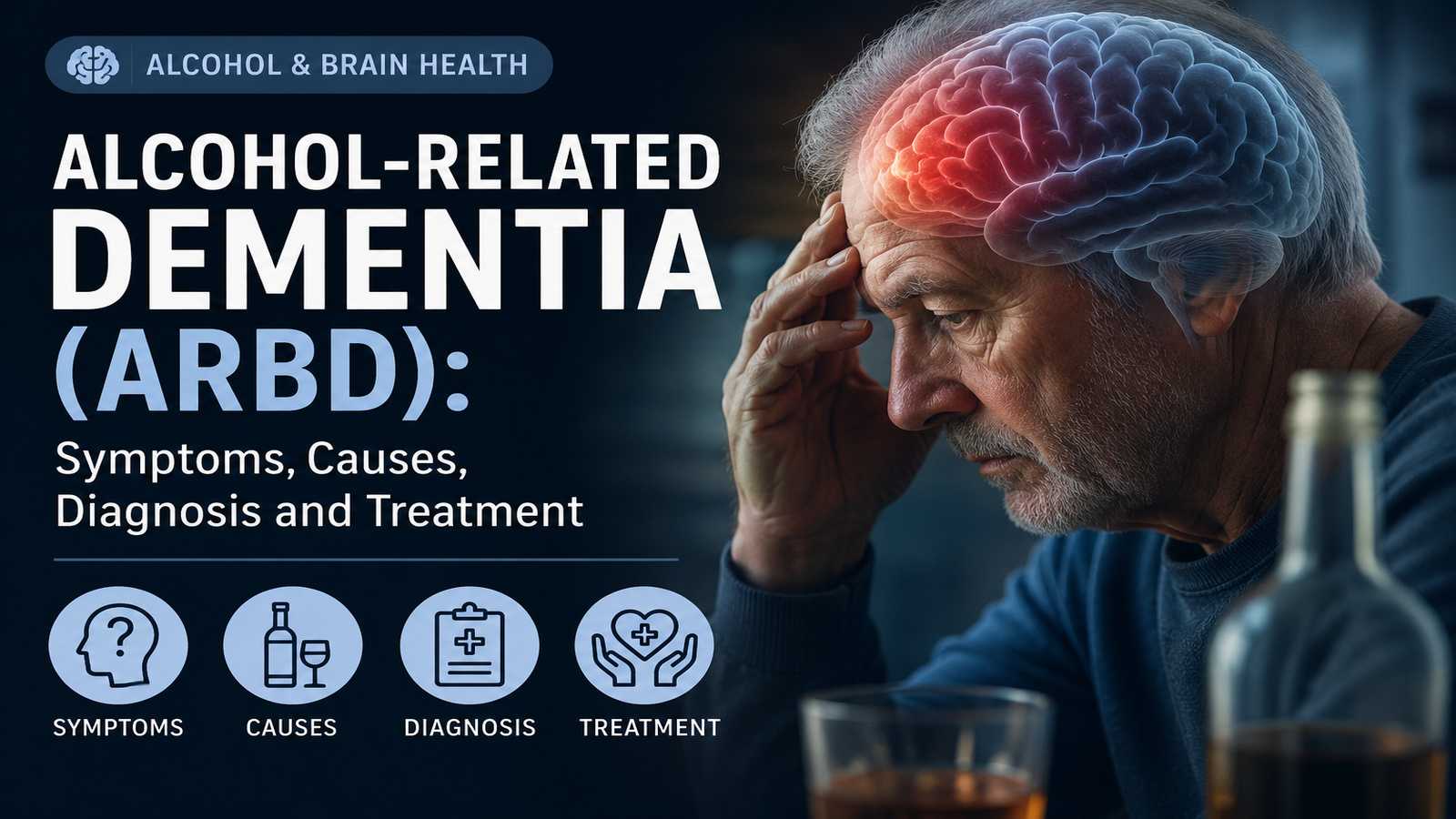
Many people search for alcohol-related dementia, but the medical term used by healthcare professionals is usually Alcohol-Related Brain Damage (ARBD). While the effects of ARBD can include problems with memory, thinking and everyday functioning that may appear similar to dementia, ARBD is not considered a specific type of dementia. It describes brain damage caused by long-term heavy alcohol use.
ARBD is not considered a true type of dementia. Instead, it is a form of acquired brain injury caused by prolonged heavy alcohol consumption, often combined with a deficiency of vitamin B1 (thiamine). Because the condition affects memory, thinking and everyday functioning, many people understandably search for “alcohol-related dementia”, making it the more familiar public term.
This distinction matters because, unlike Alzheimer’s disease and some other forms of dementia, ARBD may improve with early diagnosis, appropriate treatment and long-term abstinence from alcohol. Recognising the symptoms early can make a significant difference to recovery and future quality of life.
If you’re unfamiliar with the different conditions that affect memory and thinking, our guide to What Is Dementia? explains how dementia develops and why symptoms can vary from one condition to another.
What Is Alcohol-Related Dementia?
Alcohol-related dementia is the name commonly used to describe Alcohol-Related Brain Damage (ARBD). It develops when long-term excessive alcohol use damages the brain and affects a person’s ability to think clearly, remember information and carry out everyday tasks.
The damage is caused by several factors working together. Alcohol can have a direct toxic effect on brain cells, reduce the body’s ability to absorb essential nutrients and increase the likelihood of vitamin deficiencies. One of the most significant is thiamine (vitamin B1), which the brain needs to produce energy and keep nerve cells functioning properly. Without enough thiamine, areas of the brain responsible for memory and learning can become damaged.
Although the condition is often referred to as alcoholic dementia or alcohol-induced dementia, these are informal terms rather than separate medical diagnoses. Healthcare professionals generally prefer the term Alcohol-Related Brain Damage (ARBD) because it more accurately describes the underlying cause.
Unlike many progressive neurological conditions, ARBD does not always continue to worsen once the underlying cause has been addressed. Some people experience significant improvements after stopping alcohol safely under medical supervision and receiving appropriate treatment.
Can Alcohol Cause Dementia?
One of the most common questions people ask is, can alcohol cause dementia?
Long-term heavy alcohol use can damage the brain directly and also increase the risk of developing dementia later in life. Research suggests that excessive drinking is associated with a higher likelihood of developing conditions such as vascular dementia, particularly when it contributes to high blood pressure, stroke or other cardiovascular problems.
Alcohol-related brain damage and dementia are therefore closely linked, but they are not identical conditions. A person may have ARBD on its own, or they may develop another form of dementia alongside it.
Heavy alcohol use may contribute to:
- direct damage to brain cells
- vitamin B1 deficiency affecting brain function
- poor nutrition that reduces the brain’s ability to repair itself
- increased risk of stroke and vascular disease
- long-term changes in memory, reasoning and decision-making
Families often ask whether alcoholics and dementia are directly connected. The relationship is complex because not everyone who drinks heavily develops dementia or ARBD. However, prolonged excessive alcohol consumption is recognised as a significant risk factor for brain damage and may increase the likelihood of developing dementia later in life.
You can read more about the relationship between reduced blood flow and cognitive decline in our guide to Vascular Dementia.
Alcohol-Related Dementia Symptoms
Alcohol-related dementia symptoms vary depending on which parts of the brain have been affected and how advanced the damage has become. Symptoms often develop gradually, making them easy to mistake for normal ageing or another type of dementia.
Common alcohol dementia symptoms include:
- increasing short-term memory loss
- difficulty concentrating
- poor planning and organisational skills
- impaired judgement and decision-making
- confusion about time, places or recent events
- slower thinking and problem-solving
- mood or personality changes
- reduced motivation
- difficulty maintaining balance and coordination
Some people also struggle with routine activities such as preparing meals, managing finances, remembering appointments or taking medication correctly.
Nutritional deficiencies can make symptoms worse. A prolonged lack of thiamine (vitamin B1) may lead to severe neurological problems, affecting memory, movement and coordination. Identifying and treating this deficiency is an important part of managing ARBD.
Unlike Alzheimer’s disease, memory loss is not always the earliest or most obvious symptom. Difficulties with planning, reasoning and making decisions often appear sooner, while language and recognition skills may remain relatively preserved during the early stages.
How Is ARBD Different from Alzheimer’s Disease?
Although the symptoms can look similar, ARBD and Alzheimer’s disease are different conditions.
Alzheimer’s disease is a progressive neurodegenerative disorder in which brain cells become damaged over time without a single identifiable cause. At present, there is no cure, and symptoms usually worsen gradually despite treatment.
ARBD has a recognised underlying cause: prolonged excessive alcohol use, often combined with vitamin B1 deficiency. Importantly, the condition may improve if it is diagnosed early and treated appropriately. Some people regain a considerable degree of independence, while others continue to need ongoing support depending on the extent of the damage.
Because symptoms overlap, doctors need to determine whether memory problems are caused by ARBD, another form of dementia or a combination of both. Our Types of Dementia guide explains how the different conditions compare and why an accurate diagnosis is essential.
How Doctors Diagnose Alcohol-Related Brain Damage
Diagnosing ARBD involves more than confirming a history of alcohol use. Healthcare professionals need to understand how memory and thinking have changed, identify any nutritional deficiencies and rule out other conditions that may be causing similar symptoms.
Assessment often begins with a GP, who may refer the person to a memory clinic, neurologist, psychiatrist or another specialist for further investigation.
A diagnosis may include:
- a detailed medical and alcohol history
- discussions with family members or carers about changes in behaviour and daily functioning
- cognitive assessments that measure memory, attention and reasoning
- blood tests to identify vitamin deficiencies, liver disease or other medical conditions
- brain imaging, such as an MRI or CT scan, where appropriate
Doctors also need to exclude other possible causes of cognitive decline, including Alzheimer’s disease, vascular dementia, stroke, head injuries and certain neurological disorders.
For people who are alcohol dependent, it is important not to stop drinking suddenly without medical supervision. Alcohol withdrawal can be serious and, in some cases, life-threatening. Medical support allows withdrawal to be managed safely while assessment and treatment begin.
Early diagnosis offers the best opportunity to limit further brain damage, begin rehabilitation and improve long-term outcomes.
Can Alcohol-Related Dementia Be Reversed?
The effects of alcohol-related dementia, more accurately known as alcohol-related brain damage (ARBD), can vary greatly from person to person. Unlike some forms of progressive dementia, ARBD may improve when the underlying causes are identified and treated.
Recovery often depends on factors such as how long alcohol-related damage has affected the brain, the person’s overall health, nutritional status and the level of support they receive. Some people experience noticeable improvements within months, while others may need longer-term rehabilitation and care.
Stopping further alcohol-related harm is an important part of recovery, but this should always be managed safely with medical support. People who have been dependent on alcohol should not suddenly stop drinking without professional advice, as withdrawal can sometimes cause serious health complications.
Treatment may include restoring nutritional deficiencies, particularly vitamin B1 (thiamine), which is commonly linked with alcohol-related brain damage. With the right support, some people regain skills and become more independent, although others may continue to need help with everyday activities.
Treatment and Support for Alcohol-Related Brain Damage
There is no single treatment approach for alcohol-related dementia because support needs depend on the individual’s symptoms, health and level of independence.
A person’s care plan may include:
- Medical treatment and monitoring to manage health problems linked with long-term alcohol use.
- Vitamin B1 (thiamine) supplements to address deficiencies that can contribute to brain damage.
- A balanced diet and nutritional support to improve physical health and recovery.
- Rehabilitation therapies to help rebuild daily living skills.
- Memory and cognitive support for difficulties with thinking, planning and problem-solving.
- Support with mental health and maintaining alcohol-free living where appropriate.
Rehabilitation may involve different professionals, including occupational therapists, physiotherapists, speech and language therapists and healthcare teams. Their aim is to help a person regain confidence, maintain independence and manage changes caused by brain damage.
For some people, ongoing support at home may be enough. Others may need a more structured environment where trained care teams can provide assistance with daily routines, medication support, personal care and safety.
When Professional Dementia Care May Help
Although alcohol-related brain damage is different from conditions such as Alzheimer’s disease, some people with ARBD experience difficulties that affect everyday life in similar ways.
Families may need to consider additional care support when a person:
- struggles to remember important information or appointments
- finds everyday tasks increasingly difficult
- needs help with personal care
- has problems managing medication safely
- experiences falls or safety concerns
- becomes confused about time, place or surroundings
- requires regular reassurance and supervision
A specialist care environment can provide stability, routine and personalised support while helping maintain independence wherever possible.
Landona House Care Group provides personalised Dementia Care for people who need specialist support with memory problems, cognitive changes and daily living needs. Our care teams focus on understanding each resident as an individual, including their preferences, routines and personal history.
How Landona House Care Group Supports Families
Choosing care for someone with memory problems or alcohol-related brain damage can be a difficult decision. Families often need clear information about the condition, available support and the options that may be suitable as needs change.
Landona House Care Group provides Dementia Care, Residential Care and Respite Care designed around each resident’s individual needs. Our experienced teams support residents with daily routines, personal care, wellbeing and maintaining meaningful activities in a safe environment.
If someone’s needs become more complex and living independently is no longer safe or practical, our care homes provide personalised support while helping residents maintain dignity, comfort and quality of life.
FAQs: Alcohol-Related Dementia (ARBD)
Find answers to common questions below
No. Alcohol-related dementia is a term commonly used to describe the effects of alcohol-related brain damage (ARBD). ARBD is not considered a specific type of dementia, but long-term alcohol misuse can damage the brain and affect memory, thinking and daily functioning.
Long-term heavy alcohol use can increase the risk of cognitive problems and brain damage. Alcohol can contribute to conditions that affect memory and thinking, including alcohol-related brain damage, and may also increase the risk of other dementias such as Alzheimer's disease and vascular dementia.
Alcohol dementia symptoms can vary, but may include:
-
memory problems
-
difficulty planning or making decisions
-
problems with concentration
-
confusion
-
changes in behaviour or personality
-
difficulty managing everyday activities
-
problems with balance and coordination
These symptoms can overlap with other conditions, so a proper medical assessment is important.
Some people with ARBD improve when they receive treatment, nutritional support, rehabilitation and ongoing care. Recovery depends on the level of brain damage, overall health and the support available. Some people regain independence, while others may need long-term assistance.
Not always. Some effects of ARBD may improve with treatment and lifestyle changes, particularly when support begins early. However, some brain damage may be long-lasting, especially after years of heavy alcohol use.
Some people with ARBD can continue living independently with the right support. Others may need additional help if they struggle with safety, medication, personal care or everyday tasks. A care assessment can help families understand what level of support may be appropriate.